How Often Should You Pressure Wash Your House?
You should pressure wash your house once a year. That's what most experts say. But your home might need it more. Most experts recommend pressure washing your home once a year to keep dirt, mold, and grime under control. The real number depends on where you live, what your walls are made of, and what's growing on them. Keep reading. You'll know your exact schedule by the end.
Why a Dirty Home Is a Damaged Home
Your walls collect grime every single day. You may not see it right away. But over time, mold, mildew, and algae take hold. And they don't just look bad — they cause real harm.
Dirt and grime wear away at surfaces, leading to cracks, peeling, or fading paint. Mold, mildew, and algae don't just look bad — they can eat away at siding, stain surfaces, and create slippery areas on walkways.
And there's a money side to this too. A clean home looks well-kept. A freshly washed exterior makes your home look well-maintained and inviting — especially if you're planning to sell.
So this isn't just about looks. It's about stopping damage before it costs you thousands.
Here's what mold on your walls can do over time:
- Eat into wood siding and cause rot
- Work its way behind paint and lift it off
- Grow into wall gaps and spread inside your home
- Make your home's value drop fast
Don't let it sit. A once-a-year wash stops all of that before it starts.
What Decides How Often You Should Wash?
Not every home needs washing at the same rate. A few things change the schedule a lot.
Where you live is the biggest factor.
For homes in particularly wet, wooded, or humid areas, it's wise to schedule a pressure wash two to three times per year. In contrast, if you live in a drier climate with minimal foliage, you might get by with a thorough cleaning every two years.
Coastal homes face salt in the air. That salt sticks to walls. And it eats away at paint over time. If you're near the ocean, wash more often.
Your home's surface matters too.
Vinyl siding should be cleaned annually to help it last 30 or more years, especially in sun-exposed areas. Wood is more delicate — once a year or even every other year using low pressure is best.
What surrounds your home plays a role.
Big trees drop sap, pollen, and leaves on your walls. A dirt road nearby coats your home in dust. Tree sap, pollen, and bird droppings can leave marks on your exterior. Depending on severity, consider pressure washing once or twice a year.
Here's a quick look at how location changes your schedule:
| Location Type | Wash Frequency |
|---|---|
| Dry or arid climate | Every 1–2 years |
| Urban area with traffic | Once a year |
| Humid or rainy climate | Once to twice a year |
| Near trees or wooded area | Once to twice a year |
| Coastal or near the ocean | Twice a year |
| High-humidity Southern states | Twice a year (spring + fall) |
Clear Signs Your House Needs a Wash Right Now
Don't wait for your yearly date if you spot any of these. Some things can't sit.
- Dark streaks down your siding — That's mold or algae. It won't clear up on its own.
- Green patches near the base of your walls — Algae loves damp, shaded spots at ground level.
- A musty smell near your exterior walls — Mold has already taken hold.
- Dirt left on your finger when you rub the wall — Your home is overdue.
- Faded, dingy-looking paint — Sometimes it's just grime, not old paint.
- Spider webs and bug nests in corners — A quick wash clears those fast.
- Before you paint or sell — Pressure washing is the perfect time to inspect your home's siding for rot, pest damage, and areas that need attention.
- After a big storm — Wind and rain throw a lot of debris at your walls.
If you see any of these, don't wait. The longer it sits, the harder it is to clean — and the more damage it does.
How Often to Wash Each Part of Your Home
Different surfaces need different schedules. Here's the full breakdown, fact-checked:
| Surface | Wash Frequency | Safe PSI Range |
|---|---|---|
| Vinyl siding | Once a year | 1,300–1,600 PSI |
| Wood siding | Once a year (gentle) | 500–1,200 PSI |
| Brick or stone | Every 1–2 years | 500–2,000 PSI |
| Stucco | Once or twice a year | 800–1,200 PSI |
| Concrete driveway | Once or twice a year | 2,500–3,000 PSI |
| Roof | Every 2–3 years | Under 1,200 PSI |
| Deck or patio | Once a year | 500–1,200 PSI |
| Fence (wood) | Once a year | 500–1,000 PSI |
Vinyl siding needs a PSI of 1,300 to 1,600 — powerful enough to remove dirt and mildew without harming the surface. Wood is more fragile and needs 500 to 1,200 PSI. Always start at the lowest pressure and increase only if needed.
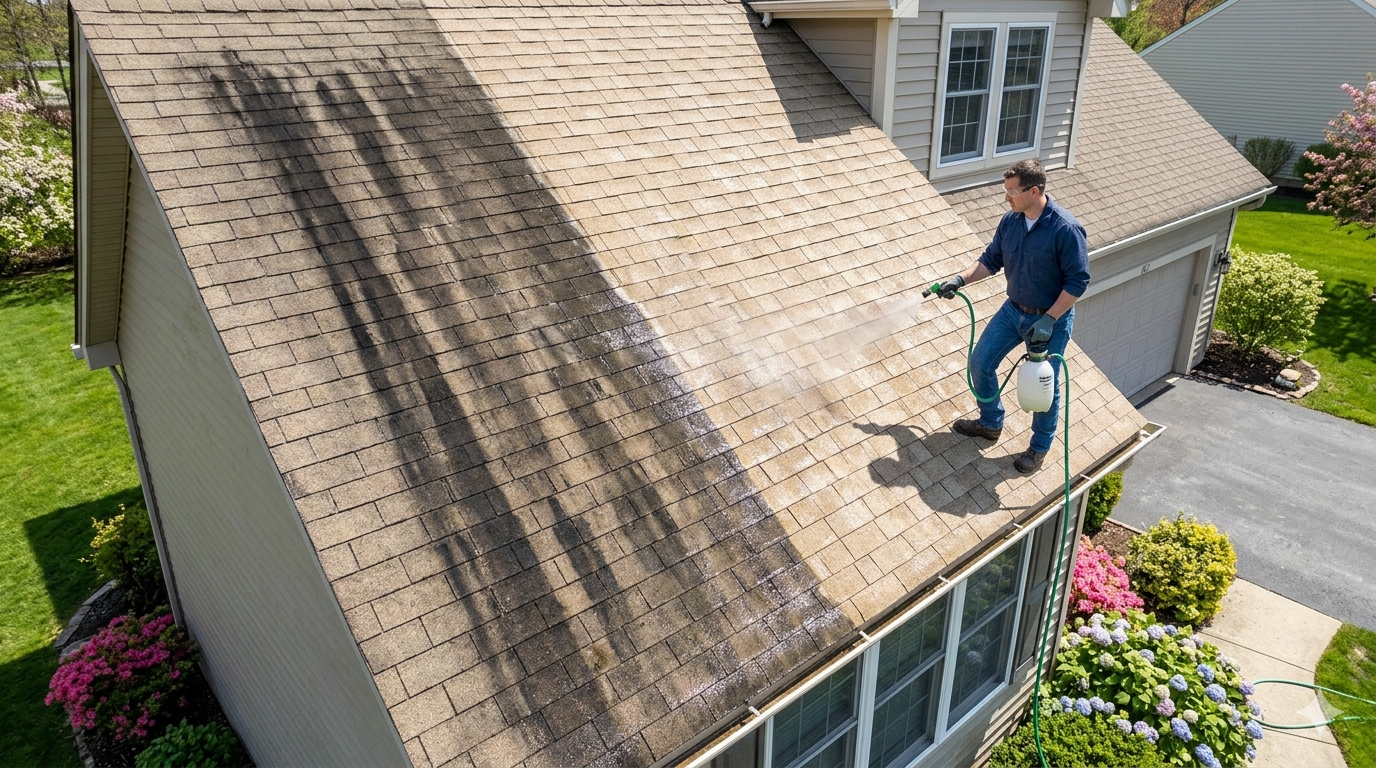
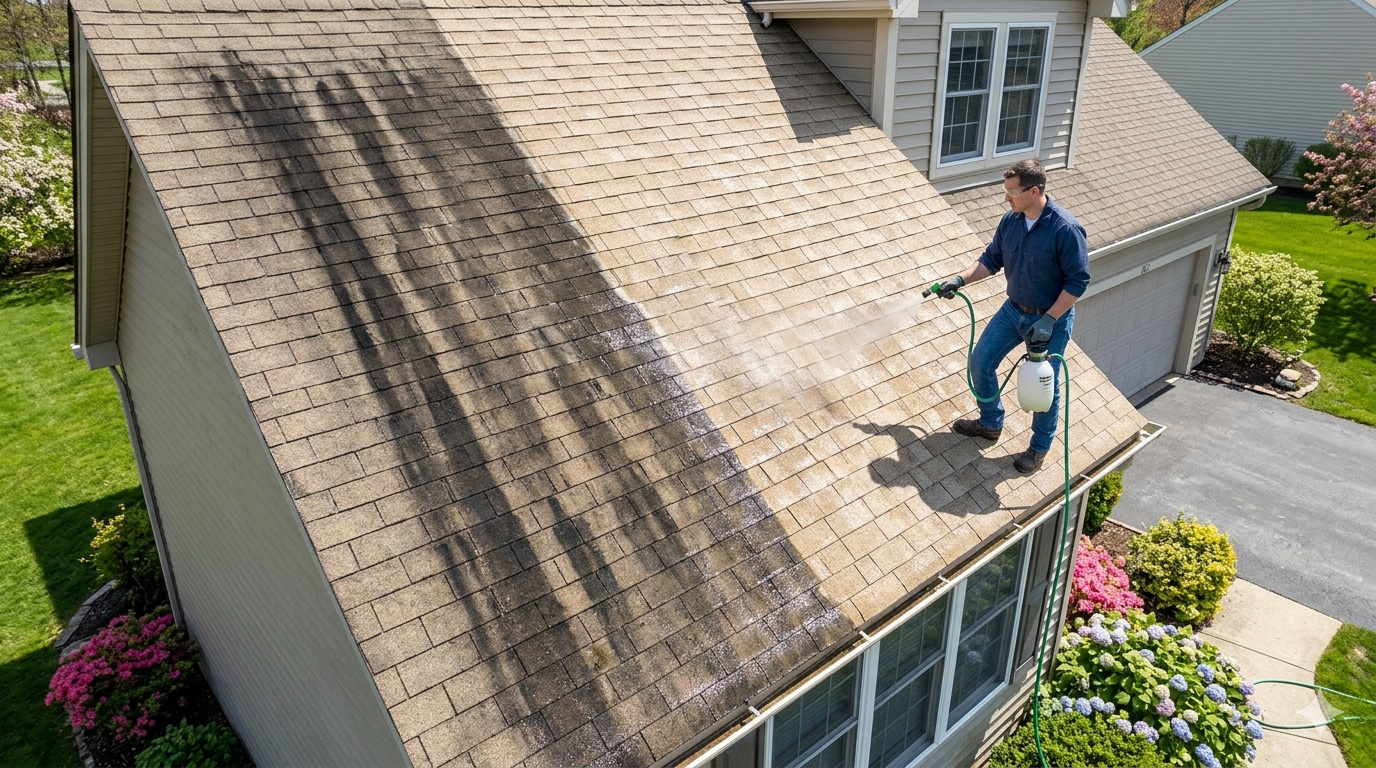
For roofs, go soft. Use a low-pressure wash to protect your roof while blasting away collected grime. If not cleaned at least once a year, leaves and debris can pile up, collect in gutters, and cause extensive damage.
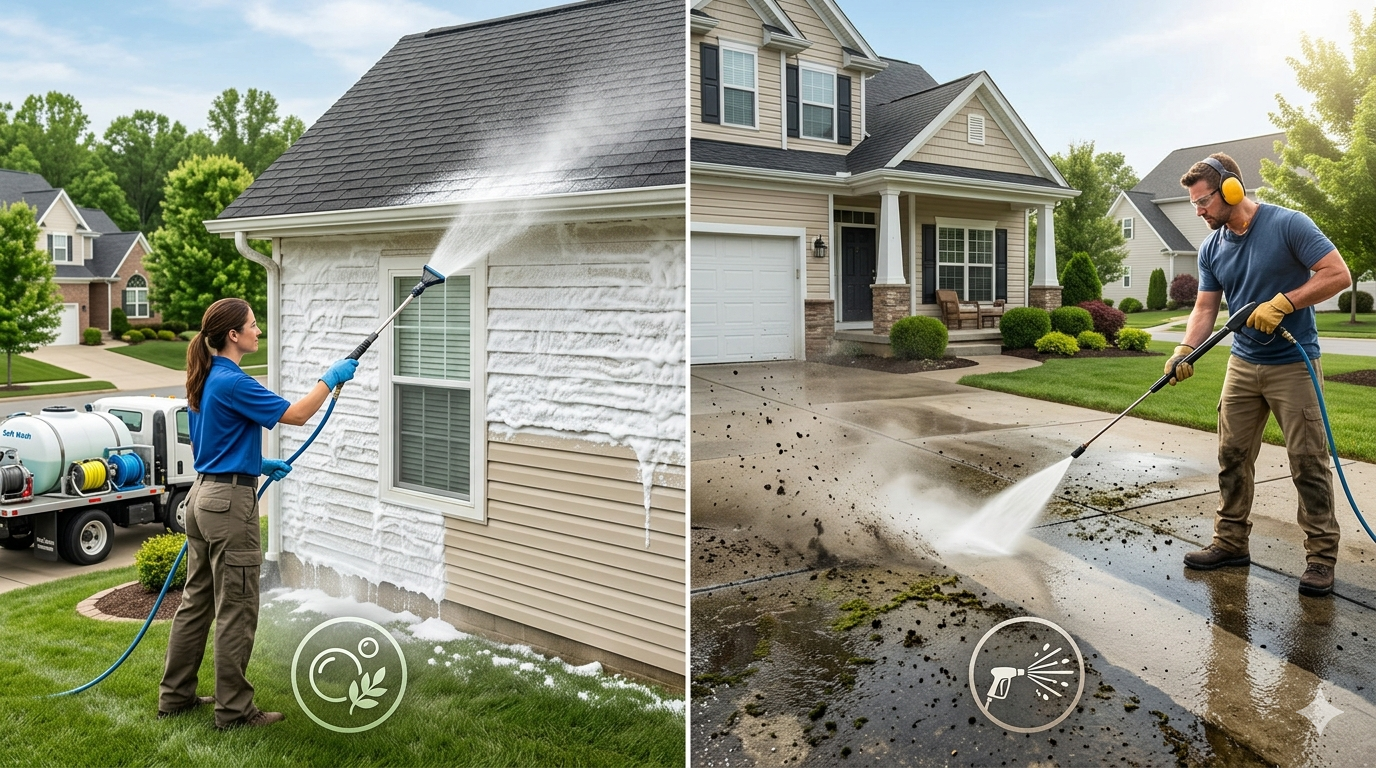
And brick? Brick is stronger but porous. It needs a detergent and a careful rinse to avoid trapping water. Don't go too high on PSI with brick. High pressure can knock mortar loose.
Can You Wash Too Much? Yes, You Can.
Pressure washing too often causes real damage. And it happens fast.
Pressure washing can be too much of a good thing. You risk cracking vinyl siding, denting aluminum siding, blasting away unintended paint, marring the wood, or forcing water into places it doesn't belong.
Too much water behind your siding leads to rot. Too much force on old wood splinters it. And on a roof, high pressure strips the protective coating right off your shingles.
The fix is simple. Use the right PSI. Keep the nozzle moving. And don't do it more than your surface needs.
Consumer Reports recommends against using a 0-degree nozzle because it poses an unnecessary safety risk.
Stick to a 25- to 40-degree nozzle for most home surfaces. It's safer and still gets the job done.
Best Time of Year to Pressure Wash
Timing your wash right makes it more effective. And it protects your home.
Spring is the best time for most homes. Winter leaves a film of salt, dirt, and grime on your walls. A spring wash clears all of that before it bakes on in summer heat.
The best time to power wash your house is in spring — March through June — or early fall, when temperatures are not too hot or too cold. Choose a day when temperatures are between 40 and 75 degrees Fahrenheit.
Fall is a smart second wash if your home needs it. Cleaning your home before winter arrives removes organic matter like leaves and dust that won't sit all season and cause staining or decay.
Avoid washing in freezing temps. Water can freeze inside your siding joints. That leads to cracks and damage that cost real money to fix.
Don't wash on a very hot day either. Too hot, and the water evaporates before it can work, leaving streaks behind.
Pick a mild, dry day. Your results will be much better.
DIY or Hire a Pro?
You can rent a pressure washer for around $50 to $100 a day. Buying a basic electric model costs around $150 to $400. So DIY can save money — if you know what you're doing.
But it's not as easy as it looks. Wrong pressure wrecks surfaces fast. The wrong angle cracks a window. And working from a tall ladder on a two-story home is risky.
Do it yourself when:
- Your home is one story
- You're washing a driveway, patio, or fence
- You've used a pressure washer before
- You have time to go slow and do it right
Call a pro when:
- Your home is two stories or more
- You have old wood, stucco, or a delicate surface
- Your roof needs washing
- You don't have the right gear
A professional service brings something you can't rent: peace of mind. They show up with the right tools, the correct cleaning solutions for your home's specific grime, and the know-how to get the job done right the first time.
6 Tips to Get the Best Results Every Time
- Close all windows and doors first. Water gets in fast, even at low pressure.
- Cover your plants and shrubs. The force can damage them — and some cleaning soaps are harmful to plants.
- Always rinse from top to bottom. Washing from the top down can cause streaking and push dirty water into clean areas. After applying detergent, rinse from top to bottom for the best finish.
- Let everything dry fully before you paint or apply any sealant.
- Test a small hidden area first. This tells you if the pressure is too high before you do real damage.
Check for damage after you wash. A clean surface shows cracks, loose boards, and peeling paint much more clearly.
The Bottom Line
So, how often should you pressure wash your house? Once a year works for most homes. But watch your walls. If you see mold, dark streaks, or heavy dirt buildup, don't wait for the calendar. Do it now.
The right schedule saves you money. It stops small issues from turning into big repairs. And it keeps your home looking clean and solid all year long.
Start in spring. Check your walls every few months. And adjust based on what you see. It's really that simple.